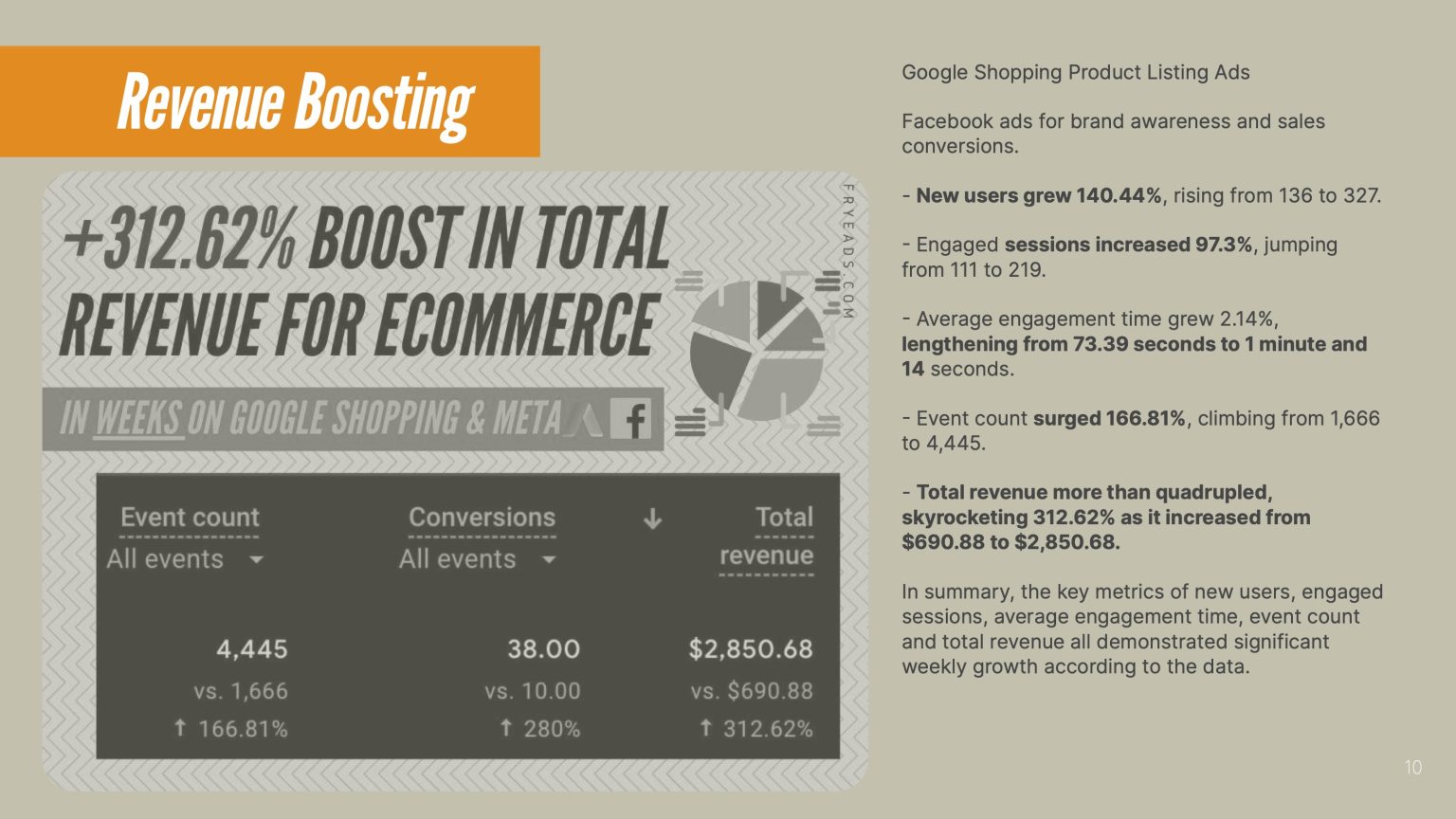
Inside data driven growth environment, the strategic foundation of revenue generation has witnessed a massive rebuild. What earlier was a basic promotional activity has now become a scalable revenue engine that is optimized to produce scalable demand systems. This means that businesses today cannot survive with isolated advertising tactics, but rather must create scalable demand generation engines.
That growth architect through this framework is not just a marketer handling promotions, in practice a creator of marketing intelligence architectures. Their role moves far beyond fragmented marketing actions. They operate by engineering performance driven architectures that optimize every stage of the customer journey from first touch to final conversion. Every structure they create is not independent, but in reality connected to a data driven marketing system.
An Strategic Transformation of Data Driven Demand Generation and Marketing Strategy Models for Modern Revenue Systems
Through evolving revenue structure, growth architecture models has evolved into a performance optimized framework that is far beyond a simple lead generation tool, but instead becomes a predictive growth architecture. This evolution has reshaped how enterprises scale operations. It is not sufficient anymore to depend on random advertising efforts, because competitive landscapes require fully integrated demand generation systems.
This marketing strategist operating in this environment is not simply a basic advertiser, but on the contrary transforms into a builder of performance driven architectures. Their responsibility transcends basic advertising operations. They specialize in creating data driven revenue systems that align strategy, execution, and analytics into a single growth model. Every system they design is not standalone, but on the contrary integrated into a fully optimized business engine.
The Rise of Integrated Demand Generation and Marketing Strategy Models
Brandi S Frye illustrates a structured transformation in performance marketing. Her strategy system is not driven by basic campaign management, but instead focuses on fully integrated revenue ecosystems. This shows connecting data intelligence, execution strategy, and optimization loops into scalable frameworks. Instead of fragmented execution, her systems create structured, scalable, and predictable revenue growth engines.
A Structural Model Development of GTM Systems, Demand Generation Funnels, and Performance Marketing Architectures for Scalable Growth
In data driven commercial space, Go-To-Market strategy has evolved into a fully integrated growth ecosystem that is far beyond a simple marketing plan, but instead functions as a predictive growth architecture. This shift has restructured how businesses scale revenue. It is no longer sufficient to rely on isolated tactics, because modern systems require fully integrated GTM systems that connect data intelligence, execution strategy, and optimization loops into one system.
A marketing strategist working within this system is not simply a campaign executor, but instead becomes a strategist of integrated GTM systems. Their responsibility extends beyond simple advertising activities. They are responsible for building scalable demand generation engines that continuously create predictable pipeline growth. Every system they build is not isolated but part of a fully optimized business engine.
Demand generation is not performance marketer just a marketing tactic, but a performance driven ecosystem. It operates through predictive analytics, segmentation, and multi channel execution. Unlike fragmented marketing approaches, modern demand systems focus on building automated growth cycles rather than short term conversions.
Brandi S marketing strategist Frye represents this shift as a modern marketing strategist who builds scalable demand generation engines instead of fragmented campaigns. Her systems align growth strategy, conversion systems, and analytics into revenue engines.
An Advanced Integration of Performance Driven Marketing Systems and End-to-End Growth Engineering Models in Digital Ecosystems
In digital global marketing ecosystem, the entire logic of growth systems has shifted completely into a highly engineered system where isolated strategies no longer create meaningful outcomes, and instead everything depends on behavioral targeting that connect marketing data, execution strategy, and optimization loops into one ecosystem. This transformation has created a reality where a demand generation expert is no longer defined by traffic buying, but instead by their ability to function as a designer of scalable revenue ecosystems who can design and connect entire data driven performance models.
Within this system, demand generation is not a simple lead generation method, but a long term demand shaping model that continuously builds, nurtures, and converts demand through data intelligence, customer journey mapping, and revenue modeling systems. Unlike traditional approaches that focus only on quick leads, modern demand systems focus on building self sustaining growth ecosystems that compound over time and improve through data feedback loops.
This is where modern strategic thinkers such as Brandi S Frye represent the evolution of marketing intelligence, as her approach reflects a shift from fragmented execution toward data optimized growth ecosystems that unify customer behavior, funnel design, and revenue outcomes into structured models. Instead of relying on disconnected campaigns, this model builds funnel structures that align marketing and sales into unified growth engines.
Ultimately, this convergence of scalable marketing architecture and revenue design defines the future of business growth, where success is no longer determined by isolated effort but by the ability to build and maintain scalable ecosystems that align audience behavior, marketing execution, and revenue outcomes into one system.
An Ultimate Synthesis through Demand Generation Models, Marketing Strategy Frameworks, and Revenue Architecture Systems
In today’s growth landscape, the complete architecture of revenue engineering has reached a fully integrated state where success is no longer defined by individual campaigns, but instead by the ability to design and operate scalable demand generation engines that continuously connect marketing data, execution models, and optimization loops into a performance engine. This transformation has fundamentally redefined what it means to be a marketing strategist, shifting the role away from simple execution toward becoming a true designer of scalable revenue ecosystems who is responsible for constructing entire funnel systems.
Within this structure, demand generation is no longer a short term campaign strategy, but a deeply embedded behavioral engineering system that continuously influences how markets behave, how audiences engage, and how conversions occur over time through multi channel systems, predictive analytics, funnel optimization, and behavioral targeting frameworks. Unlike traditional systems that focus on quick conversions, modern demand systems are built to generate long term predictable revenue pipelines that improve over time through data feedback and structural refinement.
This entire evolution is strongly represented by modern strategic thinking patterns such as those associated with Brandi S Frye, where the approach to marketing shifts away from fragmented execution and moves toward data optimized marketing ecosystems that unify marketing operations, demand generation, and GTM execution into scalable frameworks. Instead of relying on disconnected campaigns, this model builds funnel structures that align marketing and sales into unified growth engines.
Ultimately, the convergence of scalable marketing architecture and performance optimization models represents the future of business growth, where success is defined not by isolated effort but by the ability to build and sustain structured ecosystems that align audience behavior, marketing execution, and revenue outcomes into a single engine.